

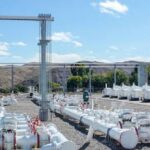






A new industry report has highlighted the importance of resilient natural gas infrastructure, showing how robust pipeline networks, storage facilities and system winterisation can help maintain reliable gas supplies during extreme weather events while supporting growing energy demand.
Commissioned by the Natural Gas Council and prepared by Energy Ventures Analysis, the report found that the U.S. natural gas system maintained reliable operations throughout Winter Storm Fern, despite more than ten consecutive days of below-normal temperatures that drove gas demand close to record levels.
According to the study, natural gas producers, pipeline operators and utilities continued supplying firm customers without any reported loss of utility gas services linked to production disruptions. The report attributes this performance to significant investments in winterisation and infrastructure upgrades implemented following Winter Storm Uri in 2021.
However, the analysis also identified infrastructure bottlenecks, particularly limited pipeline and storage capacity, as key contributors to regional supply constraints and price volatility during periods of peak demand.
The report recommends accelerating the development of new natural gas pipelines and storage facilities, expanding infrastructure resilience programmes and strengthening policies that protect critical gas infrastructure during electricity grid emergencies.
Lessons for Africa and the Middle East
The findings carry important lessons for Africa and the Middle East, where natural gas is increasingly recognised as a strategic fuel for power generation, industrialisation, petrochemical production and LNG exports.
Countries including Nigeria, Mozambique, Egypt, Algeria, Namibia, Tanzania, Qatar, Saudi Arabia and the UAE are investing heavily in new gas production, processing facilities, LNG projects and cross-border pipeline infrastructure. As these investments expand, strengthening midstream infrastructure will be essential to ensuring secure gas supplies, improving market reliability and supporting long-term energy security.
With electricity demand rising across many African and Middle Eastern economies, alongside increasing industrial development, resilient pipeline networks and strategically located gas storage facilities will play a critical role in reducing supply disruptions, stabilising energy markets and supporting economic growth.
As global gas markets continue to evolve, investment in modern midstream infrastructure is expected to remain a key priority for governments and energy companies seeking to build more reliable and efficient natural gas value chai