








South Africa’s plans to expand offshore oil and gas exploration are facing resistance from coastal communities and civil society groups, with legal challenges involving energy companies including TotalEnergies and Shell.
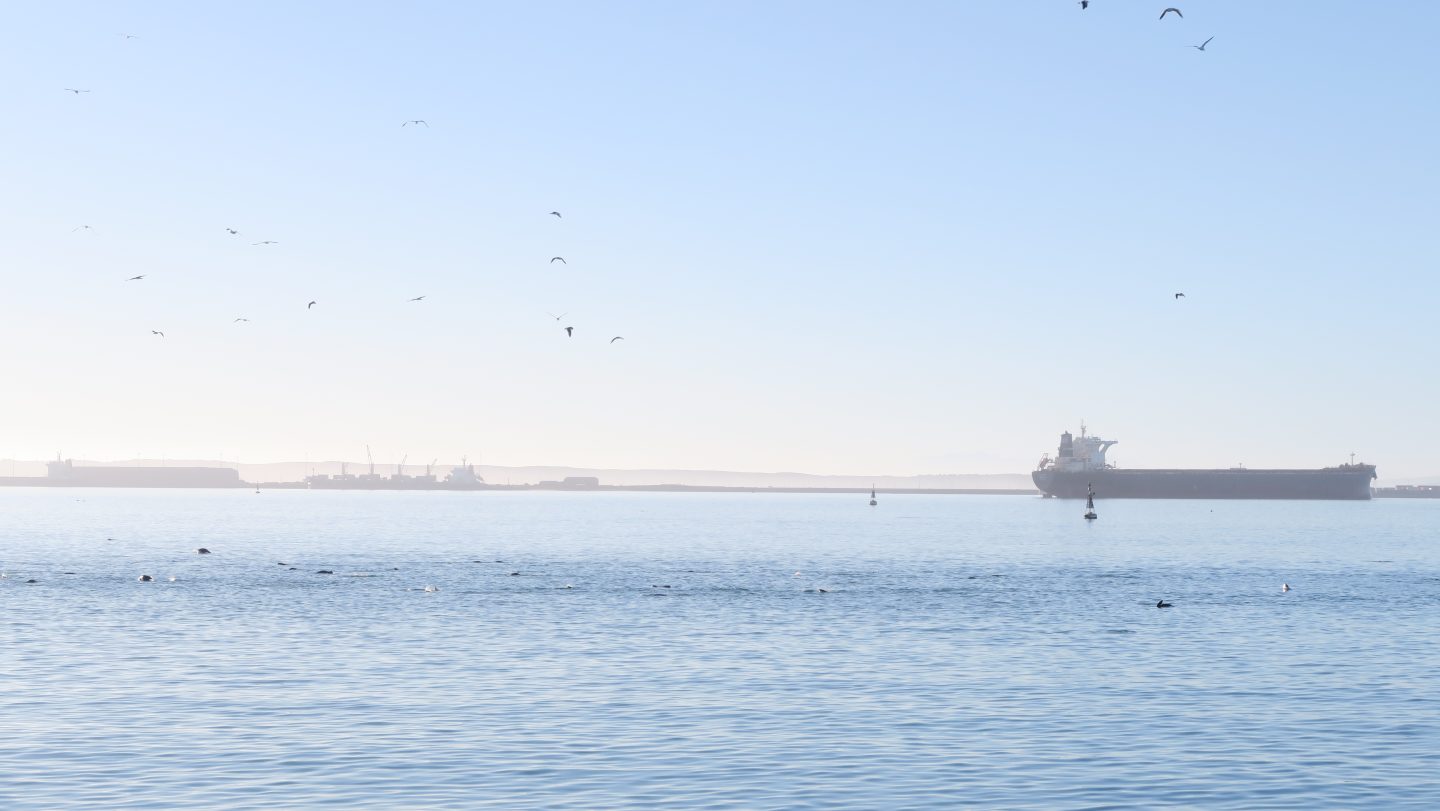
The disputes could affect plans to expand offshore exploration and establish Saldanha Bay as a major oil and gas services hub.
Since 2014, South Africa has pursued its Operation Phakisa strategy to increase the economic value of its ocean resources. More than 95% of the country’s nearly 3,000-kilometre coastline has since been mapped for potential oil and gas exploration.
The government’s plans include drilling 30 exploration wells over 10 years. The programme estimates that successful exploration could eventually support average production of around 370,000 barrels of oil and gas per day over 20 years.
Saldanha Bay has been identified as a potential logistics and support centre for the developing offshore energy industry, alongside plans to expand other marine activities including aquaculture, maritime transport and tourism.
Communities challenge offshore developments
The expansion plans have faced opposition from coastal residents and civil society organisations. Two court cases involving the government and major oil companies are challenging aspects of offshore exploration activities.
Opponents argue that affected communities were not adequately consulted during the development of certain exploration plans and have raised concerns about potential environmental and socioeconomic impacts.
For the oil and gas industry, the legal challenges highlight the importance of regulatory compliance, stakeholder engagement and environmental considerations as South Africa seeks to develop its offshore hydrocarbon resources.
Offshore potential remains significant
South Africa has attracted increasing interest from international energy companies following offshore discoveries and exploration activity along its coastline.
The development of supporting infrastructure at locations such as Saldanha Bay could create opportunities for logistics companies, engineering firms, marine contractors and other oilfield service providers.
However, the outcome of the ongoing legal challenges could influence the pace at which offshore exploration projects progress and how future developments are structured.