








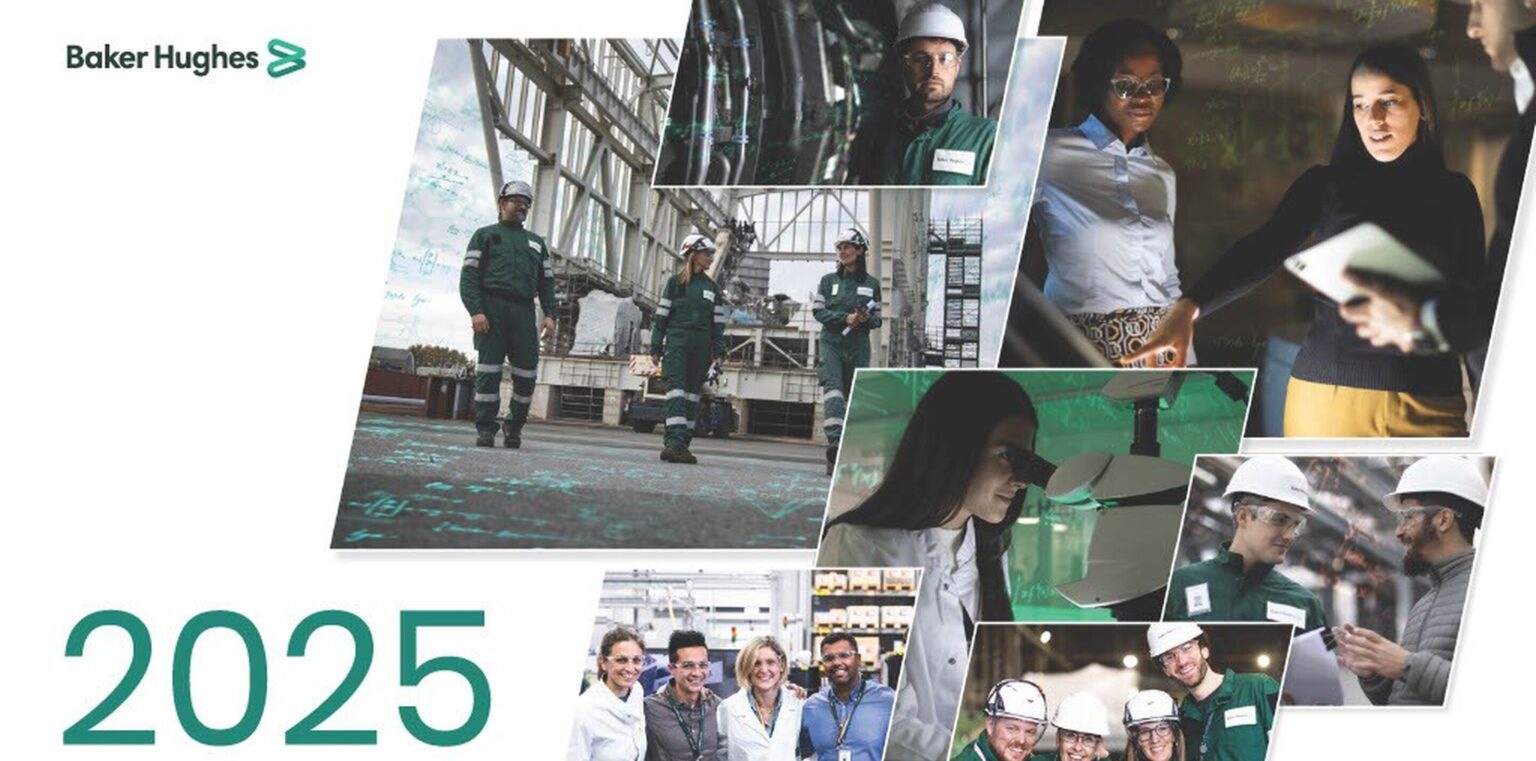
Baker Hughes has reported a 36.9% reduction in Scope 1 and Scope 2 greenhouse gas (GHG) emissions compared to its 2019 baseline, marking the company’s largest operational emissions reduction to date, according to its latest Sustainability Report.
The energy technology company also achieved a 45.8% reduction in operational emissions intensity while maintaining profitable growth. Increased use of renewable energy and improved operational efficiencies contributed to a 49% reduction in facility-related emissions compared with 2019.
The report highlights Baker Hughes’ continued progress toward its net-zero ambitions through investments in energy efficiency, emissions reduction initiatives, and sustainable technologies.
The company said 41.1% of its electricity consumption now comes from zero-carbon energy sources, supporting its efforts to lower the environmental impact of its global operations.
In 2025, Baker Hughes also completed a record 856 life cycle assessments (LCAs), helping customers better understand the environmental performance of energy technologies throughout their lifecycle. The company reduced total waste generation by 29% compared with its 2022 baseline and recycled more than 61,000 metric tonnes of waste.
On the operational side, Baker Hughes recorded more than 1.65 million safety observations and maintained a Total Recordable Incident Rate (TRIR) of 0.25. More than 1,000 employees participated in approximately 1,500 emissions-reduction projects through the company’s Carbon Out initiative.
The report also highlighted Baker Hughes’ community engagement efforts, with employees contributing more than 45,000 volunteer hours in support of over 900 charitable organizations worldwide.
Baker Hughes said the latest results demonstrate continued progress toward reducing operational emissions while supporting customers with technologies designed to improve efficiency, reliability, and lower-carbon energy solutions.